
Amazon Leo launches 36 more satellites: what it means for customers
Source event / publication: · Published November 24, 2026
Amazon Leo passed 400 deployed satellites following a successful Ariane 6 mission; consumer pricing and ordering remain unconfirmed.
In this guide
What happened
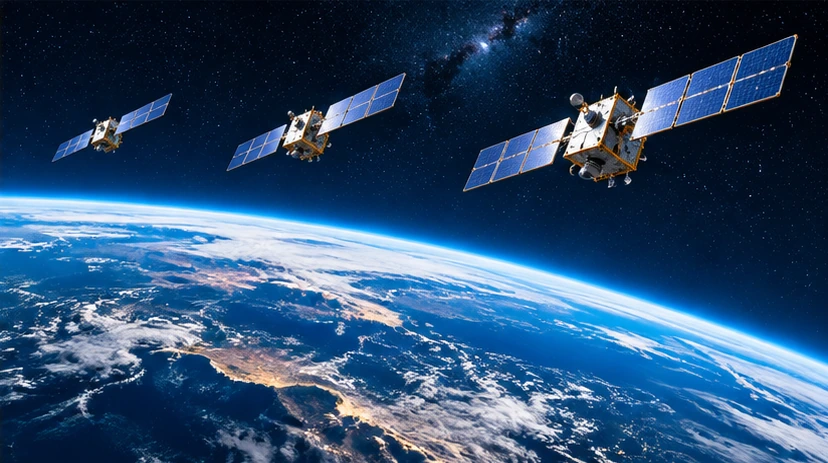
Arianespace confirmed on November 24 that its Ariane 6 mission LE-04 delivered 36 Amazon Leo spacecraft into low Earth orbit at roughly 460 km altitude. The mission was delayed from November 23 after an issue with ground support equipment. Amazon reports more than 400 Leo satellites deployed in total. That cumulative deployment count should not be interpreted as the number currently operational.
Why another successful launch matters
The November 15 Vulcan mission failed to deliver its 40-satellite payload. Today’s success restores part of the deployment momentum, but commissioning each spacecraft, integrating it into the network and making sufficient capacity available to users are separate steps. A growing fleet expands opportunities for continuous coverage and may eventually give households another low-latency satellite broadband choice.
What this means if you are considering satellite internet
If you need reliable service now, compare providers that can actually serve your address. Amazon’s public materials still invite prospective customers to register interest; broadly available residential ordering and prices have not been verified. Avoid comparing theoretical antenna speeds with measured service speeds from established operators.
What to watch next
Look for a public service launch announcement, a coverage checker, retail terminal pricing, plan and data policies, and independent measurements of performance. Early commercial coverage may be limited to selected regions. Until then, consider Leo a promising alternative under development, not a universally available substitute.