
Viasat expands satellite capacity across the Americas and Asia-Pacific
Source event / publication: · Published November 24, 2026
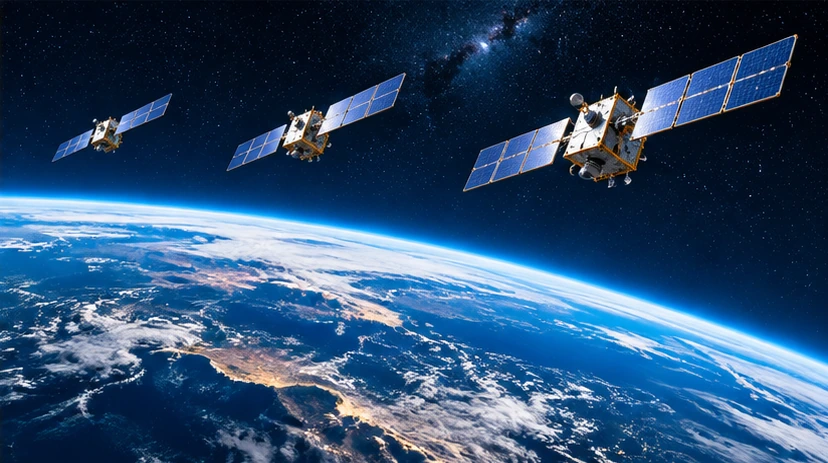
Viasat’s November filing confirms the 2026 integration of two ViaSat-3 satellites, adding capacity to traditional geostationary broadband networks.
In this guide
What the November filing confirms
Viasat’s quarterly filing published in early November describes ViaSat-3 F2 joining its Americas network in September, following in-orbit testing, and F3 entering Asia-Pacific service in August. The service-entry milestones were originally announced on September 17 and August 31, respectively.
How high-capacity geostationary satellites work
Unlike a large low-orbit constellation, a geostationary satellite remains above the same longitude when viewed from Earth. A high-throughput design can reuse radio frequencies across multiple spot beams and allocate capacity toward areas of demand. More capacity can support additional users or improve throughput where network resources and service terms allow.
Why latency remains different
A GEO satellite orbits approximately 35,786 km above the equator. Even idealized radio propagation for a two-way internet round trip through one such spacecraft is about 477 milliseconds before additional processing. Added capacity can improve throughput and congestion but cannot remove that physical distance.
What households should compare
Check the actual plan offered at your address, introductory and later monthly rates, equipment fees, data policy and return terms. Distinguish the satellite’s total network capacity from a customer’s measured internet speed. High-capacity GEO service may remain useful where alternatives are unavailable; independent speed and latency measurements help compare it fairly with LEO broadband.